
Food additives are essential in the food industry, serving various purposes such as preservation, texture enhancement, and anti-caking. Among these, silica and food silicone play significant roles in improving food quality and consistency. These ingredients are widely used in food processing, and brands like JSJ are known for producing high-quality silica and silicone products that meet industry standards. In this article, we explore the benefits of silica as a food additive and how food silicone contributes to the food industry.
What is Silica in Food?
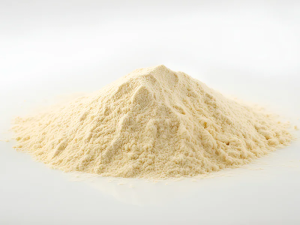
Silica, or silicon dioxide, is commonly used in food processing as an anti-caking agent, ensuring that powdered or granulated foods flow freely without clumping together. Silica is typically considered safe by food regulatory authorities and is added to products like salt, spices, powdered drinks, and flour to prevent moisture absorption and clumping.
One of the key benefits of silica as food additive is its high density, which reduces the amount of dust and minimizes airborne particles. This is particularly valuable in food production environments, as it improves safety and cleanliness. Additionally, its high compatibility helps preserve the active ingredients of certain products, ensuring they maintain their original properties during storage and transportation.
How Food Silicone Enhances Food Quality
Food silicone is a synthetic polymer derived from silicon, oxygen, and other elements, with silica often used as a key raw material in its production. It is widely used in the food industry due to its flexibility, high heat resistance, and non-stick properties. Silicone products are commonly used in baking mats, molds, kitchen utensils, and cookware. These products are favored for their ability to withstand extreme temperatures and their non-reactive nature, making them ideal for food contact.
When incorporated into food processing, food silicone provides several advantages. Its non-stick properties make it easier to release food from molds, improving the efficiency of food production. Silicone-based kitchen tools, such as spatulas and baking mats, are also highly durable and can withstand repeated use without degrading.
How Food-Grade Silica Enhances Food Safety and Quality
The safety profile of food-grade silica allows it to be confidently used not only as a food additive but also in the production of food-grade silicone utensils. As a key raw material, silica significantly enhances the performance of silicone products, contributing to their durability, heat resistance, and stability.
Food silicone is a synthetic polymer made primarily from silicon, oxygen, often sourced from silica, and other elements. Thanks to the reinforcing role of silica, silicone products exhibit excellent flexibility, extreme heat resistance, and reliable non-stick properties. These attributes make them widely applicable in baking mats, molds, kitchen utensils, and cookware.
Conclusion
Both silica as a food additive and food silicone serve vital roles in the food industry, contributing to the efficiency, safety, and quality of food production. JSJ delivers high-quality products that meet the rigorous standards of the food industry, providing customers with reliable solutions. From anti-caking properties to high-density benefits, these ingredients play a crucial part in enhancing food processing and packaging. By understanding their value, manufacturers and consumers alike can make more informed choices about the products they use in their kitchens and food production facilities.