Selecting suitable silica materials requires a clear understanding of application needs, production conditions, and quality expectations. Different industries have different requirements for particle characteristics, compatibility, and consistency. Manufacturers need material partners that can provide stable solutions while supporting product development.
In industrial applications, silica is used in areas such as oral care, silicone rubber, tires, battery separators, food, and cosmetics. A reliable supply process and application knowledge help companies evaluate materials more effectively and make practical decisions.

Understanding Material Requirements for Different Applications
Silica materials are selected based on how they perform in specific formulations and production processes. Factors such as particle distribution, surface characteristics, moisture control, and compatibility with other components can influence the final application.
For manufacturers, the choice of silica powder is not only related to the material itself. It also depends on how the silica interacts with other ingredients during processing and how it supports the required product characteristics.
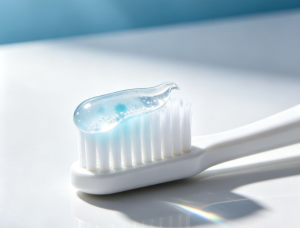
In oral care applications, silica can be used as an important component in toothpaste formulations. Different grades may support thickening, cleaning, polishing, and formula compatibility. Manufacturers may also evaluate whiteness, particle distribution, fluoride compatibility, refractive index, PCR, and RDA to match different toothpaste performance requirements.
Silicone rubber manufacturers also need materials that match processing conditions. Silica selection can affect characteristics such as transparency, viscosity, and physical performance during production. Understanding these factors helps engineers develop suitable formulations.
Developing Solutions Through Application Research
Material development often requires cooperation between suppliers and customers. Application testing allows manufacturers to understand how a silica product performs in a specific production environment before wider adoption.
At JSJ Silica, we focus on developing silica material solutions based on different industry requirements. Our research team includes technical professionals who work with customers to understand application needs and explore suitable product options.
We also cooperate with universities, research institutes, and testing organizations to support technology development. This approach helps connect research results with practical industrial applications and supports continuous improvement of material solutions.
Our development process includes laboratory evaluation, pilot testing, and production verification. By following different testing stages, we can study application performance and help customers select materials that match their manufacturing processes.
Improving Quality Control and Production Consistency
For industrial buyers, stable quality is an important factor when choosing a silica supplier. Consistent production conditions help manufacturers maintain predictable results during large-scale manufacturing.
A hydrated silica solution requires attention to production control, testing procedures, and application requirements. Quality checks covering physical and chemical properties help confirm whether materials meet customer specifications.
We use automated production systems and digital management methods to control manufacturing processes. These systems help reduce variations during production and support consistent product performance across different batches.
Our laboratory capabilities include comprehensive testing and CNAS-certified laboratory support. We also maintain quality and food safety management practices for applications that require strict control standards.
Supporting Customized Needs Across Industries
Different industries may have different expectations for silica materials. Toothpaste manufacturers may focus on whiteness, particle distribution, fluoride compatibility, refractive index, PCR, RDA, and interaction with other ingredients. Silicone rubber companies may consider oil absorption and pay more attention to reinforcing performance, processing behavior, transparency, yellowing resistance, and other application-specific properties.
For silicone rubber applications, different formulations place different emphasis on properties such as reinforcement, transparency, processing behavior, viscosity, flowability, and tear resistance. Since these performance requirements cannot always be optimized at the same time, our BACOSIL series includes different silica grades developed for different silicone rubber applications, giving customers more suitable options for their specific formulations. These characteristics help manufacturers evaluate material options based on their product requirements.
For oral care applications, our ORASIL series includes different silica grades designed for functions such as thickening, cleaning, and formula compatibility, with PCR and RDA considered according to different toothpaste performance requirements. This allows toothpaste producers to select materials according to their formulation goals.
Beyond oral care and silicone rubber, silica materials are also used in food, pharmaceutical, cosmetic, and battery-related applications. Each field requires careful evaluation of material performance and quality standards.
Building Reliable Material Partnerships
Choosing a silica supplier involves more than reviewing product information. Companies also need to consider technical communication, quality management, production capability, and service support throughout cooperation.
With experience in silica material development, JSJ Silica works with customers to understand application challenges and provide suitable material suggestions. Our service approach focuses on responding to customer needs and supporting long-term cooperation.
We continue improving our production, research, and service systems to meet changing market requirements. Global customers can work with our teams through our international service network and discuss project requirements based on their applications.
Creating Value Through Material Understanding
The development of high-quality silica solutions depends on a combination of material knowledge, application research, and production control. Manufacturers can make better decisions when they understand how silica characteristics connect with their product goals.
For companies evaluating silica powder and related materials, selecting a supplier with application experience and quality management capability can support more stable development. Careful material evaluation helps businesses build reliable production processes.
During supplier assessment, companies may also review whether hydrated silica characteristics match their formulation needs, production environment, and quality expectations. This evaluation process creates clearer communication between material suppliers and manufacturers.
It also helps teams plan product development with clearer expectations and more practical material selection decisions throughout different production stages and application environments worldwide.
A practical approach to silica selection is based on real application requirements rather than general specifications alone. By combining research support, quality systems, and customer communication, we continue working with partners to develop suitable silica solutions for different industries.