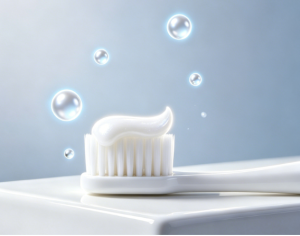
Toothpaste formulation requires a balance between cleaning performance and daily oral care needs. Whitening toothpaste often uses abrasive materials to remove surface stains, but the selection of silica needs attention to cleaning ability, transparency, and compatibility with the formula.
For manufacturers, choosing suitable silica is not only about achieving a brighter appearance. It also involves understanding how abrasive values, particle characteristics, and formulation design work together. A reasonable material choice helps create products that meet consumer expectations while supporting enamel care.
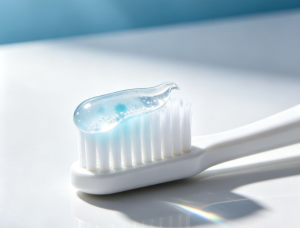
Understanding the Role of Abrasive Silica in Toothpaste
Abrasive silica is used in toothpaste formulas to assist with removing surface stains caused by food, drinks, and daily oral conditions. The cleaning effect depends on factors such as abrasive level, particle distribution, and how the material works with other ingredients.
When developing whitening toothpaste, formulators need to consider the relationship between cleaning performance and enamel-friendly design. Excessive cleaning force may affect user experience, while insufficient cleaning ability may not meet product positioning.
For this reason, abrasive toothpaste development requires careful evaluation of silica characteristics. Manufacturers usually review laboratory data and formula performance before selecting materials for commercial production.
Hydrated silica teeth whitening solutions are commonly considered in whitening toothpaste development because hydrated silica can provide cleaning functions while fitting different formulation requirements. The final toothpaste performance depends on the overall formula system and ingredient combination.
How ORASIL 107T Supports Whitening Toothpaste Development
At JSJ Silica, we provide silica materials designed for different oral care applications. Our ORASIL® 107T is developed for whitening toothpaste that requires high abrasive cleaning values and high transparency. These characteristics make it suitable for formulations that need stronger stain-removal support while maintaining a clear or visually refined appearance.
The product features an RDA value of 180–220 and a PCR value of 110–130, supporting strong abrasive cleaning ability in toothpaste formulas. These values provide reference points for formulators when evaluating cleaning performance and comparing different abrasive levels during product development.
ORASIL® 107T also offers high transparency with light transmittance of ≥70%. This characteristic makes it suitable for toothpaste products where visual appearance and formula clarity are important considerations, especially when transparency forms part of the intended product design.
In a toothpaste formula, this product is recommended to be used together with thickening silica. The suggested addition amount is 10%–20%, allowing formulators to adjust the formula based on product requirements and application goals. Final usage can also be evaluated together with other ingredients, texture targets, processing conditions, and overall cleaning performance during formulation testing.
Balancing Cleaning Ability and Enamel Care
A whitening toothpaste formula needs to consider more than stain removal. The interaction between silica and other ingredients, including fluoride and flavor components, can influence the overall product experience.
Material compatibility is an important factor during product development. Silica with suitable characteristics can work together with other toothpaste ingredients and support stable formula performance.
For brands developing hydrated silica teeth whitening products, testing and evaluation are necessary steps. Factors such as cleaning performance, texture, transparency, and user expectations should be reviewed together.
Our ORASIL series includes different silica options for oral care applications. We work with customers to understand their formulation needs and provide material suggestions based on application requirements.
Evaluating Formula Requirements Before Production
Before launching a new toothpaste product, manufacturers often review several aspects of raw material selection. Cleaning targets, formula structure, appearance requirements, and production conditions can influence the choice of silica. A clear evaluation process helps research and development teams communicate with suppliers more effectively.
For professional users, material data is an important reference during testing. Parameters such as RDA, PCR, transparency, and moisture content provide information for formula adjustment and quality checks. These details allow teams to understand how a silica material may fit into a specific toothpaste system.
Application discussions between suppliers and manufacturers can also help identify suitable product directions. By considering the complete formulation process, companies can make decisions based on practical production needs. This approach can also support smoother communication between formulation teams, purchasing departments, and production managers during different development stages.
Selecting Silica for Future Oral Care Products
The development of whitening toothpaste requires cooperation between formulation knowledge and material understanding. Manufacturers need to review abrasive performance, transparency, compatibility, and storage requirements when selecting silica.
A suitable silica material can help formulators create toothpaste products with balanced cleaning functions and user-friendly characteristics. Material selection is part of a wider product development process.
With experience in silica material solutions, JSJ Silica supports oral care manufacturers in exploring suitable options for different toothpaste applications. We focus on application requirements and provide support during product evaluation.
For companies planning new whitening toothpaste projects, understanding the role of silica can help improve development decisions. Abrasive toothpaste formulas need a practical balance between cleaning performance and product design, rather than focusing on one single factor.