Silicone rubber products are used in many industrial fields where strength, flexibility, and stable processing are important. Manufacturers need materials that can support different production methods and final product requirements. Silica fillers play an important role because they can influence mechanical properties, transparency, and processing behavior.
When selecting materials for silicone rubber production, engineers usually consider reinforcement performance, dispersion, and compatibility with manufacturing processes. Understanding how silica works inside a rubber compound helps buyers and technical teams make more suitable material choices.
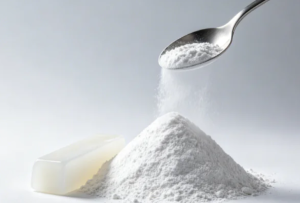
Understanding Silica’s Role in Silicone Rubber
Silica is commonly added to silicone rubber formulations to improve physical properties. The filler interacts with the rubber matrix and supports improvements in strength, modulus, and resistance during repeated use. Different applications may require different material characteristics.
For manufacturers producing seals, cables, industrial parts, or consumer products, choosing the right silica filler for rubber requires attention to both production needs and end-use conditions. Factors such as absorption, dispersion, and transparency can influence the final compound performance.
A suitable filler should also support stable processing. If the material disperses evenly, manufacturers can achieve more consistent production results. This is especially important for companies that produce silicone rubber components with strict appearance and performance requirements.
BACOSIL® Performance Advantages for Rubber Applications
Based on customer application needs, we develop silica solutions for silicone rubber manufacturers. JSJ Silica focuses on providing material support for different rubber application scenarios through product development, quality control, and application evaluation.
Our BACOSIL® series is specifically formulated to improve the physical and mechanical properties of vulcanized silicone rubber products. It provides reinforcement performance that supports mechanical strength and helps with rapid recovery from stretch whitening during use.
In processing, BACOSIL® offers low viscosity and good dispersion characteristics. These features help manufacturers manage mixing procedures more smoothly while supporting high transparency in finished silicone rubber products. This makes it suitable for applications where appearance and processing efficiency are both considered.
The material also features low water absorption and low oil absorption characteristics. These properties help maintain compound stability and provide more consistent processing conditions for different manufacturing environments.
Matching Silica Solutions with Different Manufacturing Methods
Solid silicone rubber can be processed through different extrusion and molding methods, so silica selection should match the specific production process. Different processing routes may place different demands on filler dispersion, reinforcement, transparency, and processing behavior.
For solid silicone rubber, different silica grades can be recommended according to extrusion conditions, formulation requirements, and final product performance. Matching the filler with the processing method can help manufacturers achieve more suitable mixing, extrusion, and molding behavior while meeting the needs of different applications.
Why Material Consistency Matters in Production
For large-scale silicone rubber manufacturers, consistency between batches is an important factor. Variations in filler properties may affect processing conditions and final product quality. A stable supply process helps production teams maintain predictable results.
JSJ Silica applies automated production systems and quality management procedures to control manufacturing processes. Our production approach combines digital management, precise equipment control, and laboratory testing to support product consistency.
Quality evaluation also covers physical performance indicators according to customer requirements. With professional testing capabilities, we help customers review material performance before applying it to their production processes.
Supporting Customized Silicone Rubber Development
Different industries have different expectations for silicone rubber products. A cable manufacturer may focus on insulation performance, while an automotive supplier may pay more attention to sealing stability and durability.
Our technical team works with customers to understand application requirements and develop suitable material solutions. Through application laboratories and testing procedures, we can evaluate how silica performs in practical formulations.
This approach allows manufacturers to connect raw material selection with actual production goals. Choosing a suitable silica filler for rubber is not only about adding reinforcement but also about matching material features with processing conditions.
Building Long-Term Material Solutions
For companies working with solid silicone rubber, supplier selection involves more than product availability. Technical communication, quality management, and application support are also important parts of cooperation.
We continue to improve our research capabilities through cooperation with universities, research institutions, and testing organizations. These efforts help us explore new possibilities for silica applications while maintaining attention to customer requirements.
JSJ Silica provides support from material development to production application. We focus on helping customers understand material characteristics and select solutions that fit their manufacturing processes.
A reliable material partnership also requires continuous communication. Production requirements may change as products develop, so suppliers need to understand application updates and provide suitable technical support throughout cooperation.
Choosing Suitable Silica for Future Applications
Silica fillers influence many aspects of silicone rubber production, from reinforcement and processing behavior to product stability. Manufacturers can achieve better material matching by evaluating their application needs before selecting a filler.
A practical material solution should consider production methods, final product requirements, and long-term supply support. With application-focused development and quality management, we continue to provide silica options for silicone rubber industries.