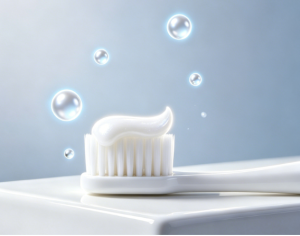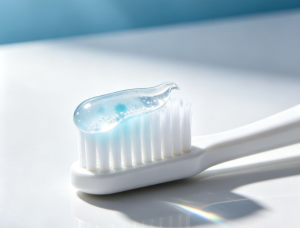
Toothpaste formulation requires a balance between cleaning performance, appearance, texture, and ingredient compatibility. For product developers, choosing the right abrasive material affects how consumers experience daily oral care products. The material needs to work with other formula components while matching different product positioning.
In toothpaste production, abrasive selection is not only related to cleaning ability. Formulators also consider transparency, viscosity, moisture control, and manufacturing cost. Understanding these factors helps brands create toothpaste products that meet market expectations and maintain stable production processes.
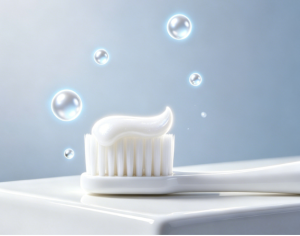
Understanding the Role of Abrasive Materials in Toothpaste Formulas
Abrasive materials are important components in many toothpaste formulas because they support the removal of surface stains and daily residue. However, formulators need to consider more than cleaning strength when selecting materials for commercial production.
Abrasive silica is widely considered in toothpaste development because its physical characteristics can influence cleaning performance, formula appearance, and compatibility with other ingredients. The selection process usually depends on the desired product effect and the overall formula design.
For toothpaste manufacturers, particle distribution and whiteness are important factors during material evaluation. A stable particle structure can help create consistent performance between different production batches and support a better user experience.
Transparency is another consideration, especially for toothpaste products with clear or visually appealing designs. Materials with suitable optical properties can help formulators create products that match different packaging and market concepts.
Balancing Cleaning Performance and Formula Requirements
Toothpaste developers often need to balance abrasive cleaning ability with other formula requirements. A material with suitable cleaning performance should also work well with ingredients such as flavor components and other functional materials. Factors such as fluoride compatibility and overall formulation stability may also need to be considered during early-stage product development.
When selecting abrasive silica for toothpaste, formulators usually review compatibility, cleaning value, and its influence on the final texture. This evaluation helps companies select materials that fit their production goals instead of focusing on one single feature. PCR and RDA data can also provide useful references when comparing cleaning performance and abrasion levels.
Different toothpaste categories may require different abrasive levels. Some products focus on gentle daily cleaning, while others may require stronger stain removal support. Material selection should match the intended application and consumer expectations.
Moisture management and viscosity are also important during formulation. The interaction between abrasive materials and thickening ingredients can influence the stability and handling characteristics of toothpaste products during production. A suitable abrasive silica option should be evaluated together with the full formula structure.
How ORASIL®114 Supports Toothpaste Development
Based on different toothpaste formulation needs, JSJ Silica provides silica solutions designed for oral care applications. Our ORASIL®114 is developed for toothpaste formulas that require medium abrasive cleaning ability and high transparency.
ORASIL®114 features high whiteness and uniform particle size distribution. It also provides high fluorine compatibility of ≥90% and works well with other toothpaste components, including flavor ingredients. These characteristics help formulators consider both performance and formula balance.
The product provides medium abrasive cleaning ability with high transparency, making it suitable for toothpaste products that require visual clarity. It also offers medium-high viscosity, helping increase water content in the formula and reduce formulation costs.
In toothpaste formulas, ORASIL®114 is recommended to be used with thickening silica. The suggested addition amount is 15%-20%, allowing formulators to adjust the formula structure according to product requirements.
Choosing a Silica Partner for Long-Term Toothpaste Development
Material suppliers play an important role in helping toothpaste companies solve formulation challenges. Beyond product supply, technical communication and application understanding can help manufacturers evaluate suitable material options. Long-term cooperation also depends on batch consistency, responsive technical support, and the ability to provide data that supports formulation comparison and product development.
Our company focuses on silica material solutions for different industries, including oral care applications. Our R&D team works with customers to understand application requirements and develop suitable solutions through testing and evaluation. We also use automated production systems and quality control processes to support consistent product delivery. Application testing can further help customers compare different silica grades and select materials according to cleaning, thickening, compatibility, and other formulation requirements.
Matching Silica Selection with Oral Care Innovation
Toothpaste development continues to focus on product performance, appearance, and user experience. A suitable abrasive material can support formulators in creating products with balanced cleaning performance and formula characteristics.
Our approach combines material development with application support. For customers exploring abrasive silica for toothpaste, understanding product requirements, formula compatibility, and production conditions can help create more suitable oral care solutions.
JSJ Silica continues to provide silica materials for oral care and other applications. Through research, quality management, and customer communication, we support toothpaste manufacturers in developing products that meet changing market needs. We also continue to improve application understanding through customer feedback, helping partners evaluate silica choices for different toothpaste formulation goals.