Tooth sensitivity is a common concern in oral care product development. For toothpaste manufacturers, selecting suitable silica materials requires attention to particle characteristics, cleaning balance, and formula compatibility. Materials used in sensitive toothpaste need to support specific functions while working well with other ingredients.
The development of anti-sensitive toothpaste often focuses on how ingredients interact with dental surfaces. Silica with suitable particle features can provide a physical approach for reducing sensitivity concerns while maintaining the overall toothpaste experience.
Understanding the Role of Silica in Sensitive Toothpaste
Sensitive toothpaste formulas need materials that match their intended application. Abrasive silica is commonly used for cleaning functions, but sensitive care products may also require materials designed for other purposes.
One important consideration is particle size. Fine silica particles can help create a closer contact between silica materials and targeted surface areas. In sensitive toothpaste, suitable particle characteristics may support the physical blocking of dental tubules.
When manufacturers evaluate toothpaste materials, they usually consider cleaning performance, formula stability, and user experience together. A balanced formula helps different ingredients work together instead of focusing on one single function.
How ORASIL 709 Supports Dental Tubule Blocking Applications
For anti-sensitive toothpaste applications, we provide silica solutions designed around specific formulation needs. JSJ Silica develops silica materials for oral care manufacturers that require stable performance and application support.
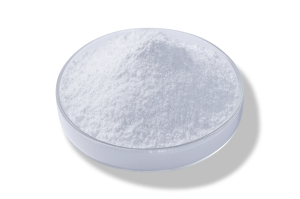
Our ORASIL ®709 is designed for physical blocking dental tubules. It uses an ultra-fine particle size of ≤4 microns, which can effectively physically block dental tubules and help relieve dental allergies. The product is recommended for use in anti-sensitive toothpaste formulations.
In a toothpaste formula, the recommended addition amount is 3%-5% when used together with abrasive silica. This application method allows formulators to combine different silica functions according to product requirements.
Balancing Cleaning and Sensitive Care Requirements
Toothpaste development involves multiple considerations. A formula needs to provide cleaning ability while also meeting specific care functions. The selection of silica materials should match the target product positioning and consumer expectations.
The use of low abrasion silica can be considered when formulators need to manage the relationship between cleaning and sensitive care. Material selection depends on the overall formula design, including other ingredients and intended application.
For research and development teams, testing silica performance in the final toothpaste system is an important step. Laboratory evaluation helps manufacturers understand how materials interact with other components before larger-scale production.
Quality Control and Material Consistency in Production
Stable material quality is important for toothpaste manufacturers. Differences in raw material characteristics may affect formula adjustment and production processes. Therefore, suppliers need to maintain consistent quality control throughout manufacturing.
At JSJ Silica, we focus on application-based development and quality management for different industries. Our production and testing systems support product consistency, while our technical teams communicate with customers about application requirements.
Silica products also need suitable storage and handling practices. For ORASIL ®709, the recommended storage condition is a cool and ventilated warehouse with moisture protection. The product should be kept away from fire and direct sunlight.
Application, Packaging, and Handling Considerations
Before using silica materials, manufacturers should review storage time and moisture conditions. Even under suitable storage conditions, silica may absorb moisture from the environment over time. Products stored beyond 24 months should be tested for moisture content before use.
Proper handling procedures are also important during production. Operators should use personal protective equipment, avoid inhaling dust, and maintain good ventilation in the working area.
The product is supplied in 25kg small bags, which supports convenient transportation and storage management for industrial users. Clear handling procedures help maintain material conditions during the supply process.
Selecting Silica Materials for Oral Care Development
Choosing silica for toothpaste production requires a clear understanding of product goals. Developers need to consider particle characteristics, application purpose, compatibility with other ingredients, and production requirements.
Different silica types may support different functions in toothpaste formulas. Fine silica particles are one factor that manufacturers can evaluate when developing products that require specific surface interaction.
A suitable supplier can also provide technical communication during material selection. This helps manufacturers connect silica properties with actual formulation needs and production conditions.
Creating Practical Solutions for Sensitive Toothpaste Formulas
Developing sensitive toothpaste requires attention to both material performance and application methods. Silica selection is not only about adding an ingredient but also about understanding how it works inside the complete formula.
ORASIL ®709 provides an option for manufacturers developing anti-sensitive toothpaste with physical dental tubule blocking needs. Its application guidance, storage requirements, and packaging information help users manage the material during product development.
For oral care companies, working with a silica supplier that understands formulation requirements can support more efficient product development. Low abrasion silica solutions and other silica materials should be selected according to specific toothpaste goals and testing results.
Considering Customer Needs During Material Selection
For B2B oral care manufacturers, material selection also involves supply stability and technical communication. Product teams often need to review application data, production conditions, and formula targets before confirming a suitable silica option.
A clear understanding of silica characteristics can help companies make practical decisions during toothpaste development. By connecting material features with formulation requirements, manufacturers can create products that match different oral care needs while maintaining consistent production processes.