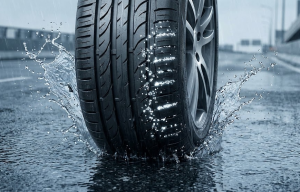
Tire performance depends on many factors, including tread design, rubber formulation, and material selection. For tire manufacturers, improving wet traction is a continuous consideration because driving conditions can change quickly. A suitable filler material can influence how the tread compound behaves during braking, handling, and long-term use.
Modern tire development also requires a balance between wet grip and energy efficiency. Material suppliers need to understand these different requirements and provide silica solutions that match production processes. This is why silica in tires has become an important topic for manufacturers developing new tire formulations.
Understanding the Role of Silica in Tire Formulations
Silica is used in tire tread compounds because it can support the balance between grip, rolling resistance, and mechanical properties. The interaction between silica and rubber materials affects the final performance of the tread after mixing and vulcanization.
When manufacturers evaluate silica compound in tires, they usually consider several factors, such as dispersion, surface characteristics, and compatibility with other formulation components. These factors influence how well the material performs during production and application.
A well-designed silica solution can help tire makers adjust formulations according to different requirements. Passenger tires, green tires, and EV tires may have different priorities, so material selection should match the intended application.
How Silica Helps Improve Wet Traction
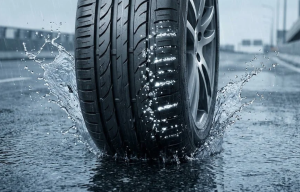
Wet traction is closely related to the ability of a tire tread to maintain contact with wet road surfaces. The structure and surface characteristics of silica can affect rubber compound behavior under low-temperature conditions.
Our TIRESIL Precipitated Silica for Tires is developed for tire tread applications that require balanced performance. The product focuses on high dispersion, controlled mesopore distribution, and suitable silanol density to support effective mixing and consistent formulation results.
In tire formulations, optimized silanol and mesopore structures can raise 0°C tanδ, which is related to wet braking performance. At the same time, high-dispersion silica can lower 60°C tanδ, helping reduce rolling resistance for fuel efficiency and EV range considerations.
Balancing Processing and Tire Performance
Material processing is an important part of tire manufacturing. If silica does not disperse well, it may affect mixing efficiency and the consistency of the final compound. Therefore, manufacturers often review processing characteristics before selecting materials.
The silica compound in tires from our solution approach is designed with a low Payne effect, which supports easier dispersion, a wider processing window, and more consistent silane coupling during production.
High CTAB/BET ratio characteristics help reduce hard agglomerates and support reinforcement performance. This can contribute to improvements in modulus, tensile strength, abrasion resistance, and flex fatigue resistance when used in suitable tire formulations.
Supporting Different Tire Application Needs
Different tire categories have different development targets. For green tires and EV tires, manufacturers often focus on reducing energy loss while maintaining reliable wet grip. Tread compounds need materials that can support these combined requirements.
At JSJ Silica, we provide TIRESIL Precipitated Silica solutions for tire manufacturers seeking application-focused raw materials. Our development process includes research support and application evaluation to help customers match silica characteristics with their formulation needs.
Our team works with customers to understand production conditions and performance expectations. Through customized material discussions, we help manufacturers review factors such as dispersion, processing behavior, and compound design.
Selecting a Suitable Silica Material Supplier
Choosing a silica supplier involves more than reviewing product specifications. Tire manufacturers also need to consider production consistency, quality control, technical support, and application experience.
JSJ Silica focuses on providing precipitated silica materials for different industries, including tire applications. We use automated production systems and quality control processes to maintain product consistency and support stable supply for customers.
For tire applications, controlled mesopore distribution and low hard agglomerate content can support high filler loading without creating unnecessary processing difficulties. Moderate silanol density also helps maximize silane coupling efficiency and maintain consistent vulcanization.
Evaluating Material Characteristics Before Production
Before introducing a new silica material, tire manufacturers usually review laboratory data and production conditions. Parameters such as dispersion behavior, surface properties, and compatibility with rubber systems can influence whether the material fits a specific tread formulation.
A supplier with application knowledge can help customers understand how silica characteristics connect with manufacturing goals. This includes discussing mixing conditions, compound design, and expected tire performance rather than only providing a material specification sheet.
For companies developing tread products, stable material quality is also important. Consistent raw material characteristics can help reduce changes during production and support repeatable compound performance across manufacturing batches.
The Role of Application Support in Tire Development
Tire development often involves cooperation between material suppliers and manufacturers. Technical communication allows both sides to evaluate formulation requirements and identify suitable adjustment directions.
Our approach combines material development with application understanding. We focus on precipitated silica solutions that can match different tire compound requirements while supporting customers during development stages.
Through practical discussions, manufacturers can better understand how silica selection affects tread behavior. This process connects material features with real production needs and supports tire formulation improvement.
Moving Toward More Balanced Tire Materials
The development of tire materials requires continuous adjustment between safety, efficiency, and manufacturing needs. Silica solutions provide tire manufacturers with another option to optimize tread compound design.
By understanding how material characteristics influence wet traction, rolling resistance, and processing performance, manufacturers can make more suitable formulation decisions. Choosing the right silica in tires approach can support future tire development with practical material solutions.