Electric vehicle development places growing pressure on every component that influences energy efficiency. Tires are especially important because rolling resistance consumes part of the energy used to keep a vehicle moving. For tire manufacturers and compound developers, the challenge is to lower this resistance without sacrificing grip, wear, tear strength, or production efficiency. Silica-based formulations offer a practical route toward this balance.
Why Rolling Resistance Matters for EV Range
Rolling resistance describes the resistance opposing a tire as it rolls across the road. Tire construction, material selection, tread design, inflation, and operating conditions can all affect it. The U.S. Department of Energy notes that low-rolling-resistance tires are designed through changes in tire shape, materials, or tread design. Lower resistance can improve vehicle energy efficiency, making it particularly relevant to electric mobility.
For EVs, efficiency has a direct relationship with usable driving range. Every reduction in energy loss can help manufacturers pursue greater range without relying solely on larger battery packs. Continental also reports that silica compounds can reduce tire rolling resistance and increase the range of electric vehicles. This makes compound engineering an important part of EV tire development.
How White Carbon Black Supports Tire Compound Engineering
Silica, often called white carbon black in industrial contexts, has become an important reinforcing filler for modern tire compounds. Its value comes from its ability to contribute to a combination of rolling resistance, wet grip, abrasion resistance, and mechanical performance when appropriately incorporated into rubber.
The performance of white carbon black depends not simply on adding more filler, but on achieving suitable interaction and dispersion within the rubber matrix. Poor dispersion can create uneven filler distribution and prevent the compound from delivering its intended properties. Tire compounders therefore need silica grades that support efficient mixing and consistent distribution.
Why High Dispersibility Matters for EV Tires
Dispersion is central to developing low rolling resistance silica compounds. When silica is distributed more evenly through the rubber, compound developers have greater control over the resulting mechanical and dynamic properties. The U.S. Department of Energy has specifically investigated methods for uniformly dispersing silica in rubber blends to reduce rolling resistance while maintaining traction and tread wear.
Mixing behavior also affects manufacturing efficiency. A highly dispersible filler can require less energy during compounding, depending on the formulation and processing conditions. Better dispersion can therefore support both compound consistency and production efficiency, two considerations that matter to tire manufacturers operating at commercial scale.
Balancing Efficiency with Grip and Durability
Reducing rolling resistance cannot be treated as an isolated target. A tire must also deliver adequate grip, wear resistance, tear resistance, and skid performance throughout its service life. This creates a formulation challenge because changing filler characteristics can influence several properties simultaneously.
Modern silica technology helps address this balance. Continental notes that silica, with the support of silane chemistry, can form strong networks within rubber compounds and contribute to wet grip, abrasion resistance, and rolling resistance performance. The objective is therefore not simply the lowest possible resistance, but an optimized combination of efficiency, safety, and durability.
Our TIRESIL 165MP for Green Tire Applications
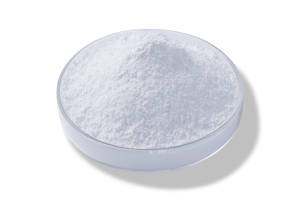
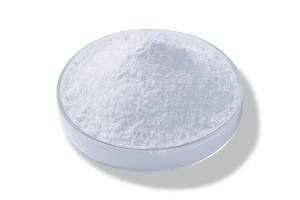
At JSJ Silica, we developed TIRESIL 165MP for applications where high dispersibility and reinforcement are important. TIRESIL 165MP is intended for tire-compound applications, including green-tire formulations. Its high-dispersibility and reinforcement characteristics can be evaluated for their contribution to wear resistance, skid performance, and rolling resistance in the finished compound.
TIRESIL 165MP offers high dispersibility, allowing silica to distribute evenly in the tire compound. This characteristic supports wear resistance and skid resistance while helping reduce rolling resistance. Its lower mixing-energy requirement can also contribute to smoother rubber compounding and improved production efficiency.
The grade also provides high reinforcement. It is designed to improve tear resistance, anti-slip performance, and wear resistance, supporting tire formulations that need mechanical strength alongside energy efficiency. This balance is relevant to customized silica compound tires for high-performance vehicles and to formulations where strength and flexibility must be considered together.
From Material Selection to EV Tire Performance
For business tire manufacturers, selecting a filler requires evaluation beyond a single laboratory metric. Dispersion, reinforcement, processing behavior, compound compatibility, and target tire performance all influence the suitability of a silica grade. The right material should support the broader formulation strategy rather than solving only one performance issue.
We therefore position TIRESIL 165MP as a practical material option for developers working on green tire silica applications and precipitated silica in tires formulations. Its combination of high dispersibility, reinforcement, and micro-pearl form is intended to help compounders pursue consistent processing and a balanced performance profile.
Building More Efficient Tire Compounds
EV range depends on many vehicle-level factors, but tire rolling resistance remains an important area for material and compound optimization. White carbon black can support this effort when its dispersion and interaction with rubber are properly managed. The most effective formulation approach balances efficiency with grip, wear, strength, and manufacturing requirements.
We continue to develop silica solutions around these practical requirements. With TIRESIL 165MP, we provide a high-dispersibility, high-reinforcement option for tire manufacturers seeking low rolling resistance silica without treating efficiency as a trade-off against essential tire performance. The approach supports manufacturers pursuing more efficient tire compounds while maintaining the performance characteristics demanded by modern EV platforms.