Developing a whitening toothpaste requires more than choosing an abrasive with strong cleaning action. Manufacturers need measurable targets for stain removal, dentin abrasivity, transparency, texture, and stability. These targets guide raw-material selection and help evaluate formulation decisions. For developers working on hydrated silica teeth whitening whitening products, a structured approach connects laboratory data with the performance expected from the finished toothpaste.
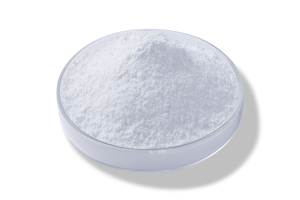
Defining Measurable Performance Targets for Whitening Toothpaste
Before selecting an abrasive, formulation teams should define the product’s priorities. A daily-use whitening toothpaste may emphasize controlled surface-stain removal and a familiar brushing experience, while a premium clear toothpaste may require additional light transmission and visual consistency.
Several measurements help turn these objectives into technical specifications. Relative Dentin Abrasivity (RDA) characterizes a dentifrice’s relative abrasive effect on dentin. Pellicle Cleaning Ratio (PCR) evaluates its ability to remove stained pellicle under controlled conditions. Light transmittance helps assess visual clarity, while viscosity and stability testing address handling and shelf-life requirements. Setting target ranges early gives manufacturers a basis for comparing silica grades.
RDA and PCR: Two Metrics with Different Roles
RDA and PCR are often considered together when evaluating a whitening toothpaste abrasive but they do not measure the same property. RDA focuses on dentin abrasivity and provides information about relative wear under a defined test method. It is not a direct measurement of stain-removal performance.
PCR, in contrast, assesses the removal of stained pellicle from a tooth surface. It provides an indication of cleaning performance against certain extrinsic stains. A higher PCR result may indicate stronger stain removal under the specified test conditions, but it should be considered alongside abrasivity and the full formulation.
Together, these measurements help distinguish cleaning effectiveness from abrasive action. Neither value alone establishes overall product quality.
How to Interpret Abrasivity and Cleaning Test Results
Laboratory results are useful only when testing conditions are documented. Sample preparation, brushing force, brushing cycles, reference materials, and measurement procedures can all affect results. Consistent protocols make comparisons between raw materials and finished toothpaste samples more meaningful.
Formulation teams should avoid treating RDA and PCR as universal product rankings. They are test-specific measurements, not interchangeable scores. A toothpaste’s RDA cannot predict its PCR, and a strong stain-removal result does not by itself establish suitability for every intended use.
Manufacturers can compare candidate formulations and investigate changes when abrasive concentration or other ingredients are adjusted.
Selecting Silica Grades to Meet Different Whitening Targets
Hydrated silica is used in toothpaste because different grades can serve different formulation roles. When choosing a quality whitening toothpaste abrasive, developers should consider particle characteristics, dosage, dispersion, transparency, and compatibility with the rest of the formula—not just one abrasivity value.
An abrasive grade intended for a high-cleaning formulation may need to be balanced with a separate thickening silica to achieve the required consistency. In clear or translucent toothpaste, light transmission is another consideration. The selected abrasive must fit the desired appearance as well as the cleaning target.
These properties should be assessed in the complete toothpaste base, since humectants, surfactants, flavors, binders, and active ingredients may affect silica behavior. Finished-formula testing remains essential.
ORASIL® 107T for Defined Whitening Performance
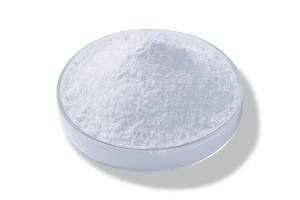
We offer ORASIL® 107T for toothpaste applications that require high abrasive cleaning ability alongside a high-transparency profile. According to our product specifications, it has an RDA value of 180–220 and a PCR value of 110–130. Its light transmittance is ≥70%, providing a measurable reference for developers working on clear or translucent toothpaste.
Our recommended addition level is 10%–20% when ORASIL® 107T is used in combination with thickening silica. This allows the abrasive and thickening components to perform complementary roles. The actual dosage and combination should be confirmed through testing in the intended toothpaste base.
These specifications provide a starting point, not a guarantee of finished-product performance. Developers should assess RDA, PCR, appearance, viscosity, stability, and brushing characteristics in the complete formula.
From Laboratory Screening to Commercial Production
After initial material selection, manufacturers should evaluate the finished toothpaste under consistent laboratory conditions. Testing should confirm that target RDA and PCR values are achieved while the formula meets requirements for appearance, texture, stability, and sensory properties. Changes in silica loading or the thickening system should prompt appropriate re-evaluation.
During scale-up, mixing sequence, processing conditions, and batch consistency can influence the final product. Clear raw-material specifications and quality controls help reproduce the intended formulation.
Whitening claims should match the evidence generated for the finished product and the requirements of the target market. Manufacturers should distinguish mechanical removal of extrinsic surface stains from chemical bleaching or changes to intrinsic tooth color.
Turning Whitening Targets into Formulation Decisions
A successful whitening toothpaste begins with clearly defined performance objectives. RDA characterizes dentin abrasivity, PCR evaluates stained-pellicle cleaning, and optical and physical tests address the appearance and usability of the finished paste. Considering these measurements together gives development teams a structured basis for selecting ingredients and refining formulations.
At JSJ Silica, we support oral-care manufacturers with our ORASIL® silica portfolio. For developers seeking a quality whitening toothpaste abrasive with defined cleaning and optical parameters, ORASIL® 107T offers an RDA of 180–220, a PCR of 110–130, and light transmittance of ≥70%. We encourage customers to validate these specifications in their own formulations to identify a suitable solution for their product goals.