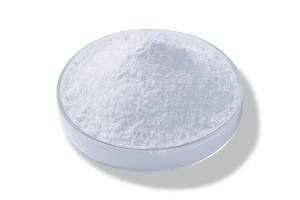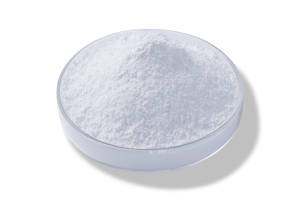
Tooth sensitivity is an important concern in modern oral care, creating opportunities for toothpaste manufacturers to develop specialized formulations that provide effective cleaning and targeted relief. One promising approach involves physically blocking exposed dentinal tubules to reduce the transmission of external stimuli. For oral care manufacturers, selecting suitable silica ingredients is essential to balancing tubule occlusion, cleaning performance, and formulation stability. We examine how functional silica materials, including our ORASIL®709, can support the development of sensitive toothpaste products.
Understanding Dentinal Tubule Occlusion and Tooth Sensitivity
Dentin hypersensitivity commonly occurs when dentinal tubules become exposed through gum recession, enamel loss, or other forms of tooth wear. These microscopic channels connect the external dentin surface with the pulp. According to the widely accepted hydrodynamic theory, external stimuli can cause fluid movement inside the tubules, triggering sensitive nerve responses.
Physical tubule occlusion offers a practical approach to addressing this problem. By covering exposed openings or forming plugs within the tubules, desensitizing ingredients can help reduce dentin permeability and limit the movement of fluid. Research has demonstrated that certain toothpaste formulations containing inorganic fillers can contribute to this physical blocking mechanism.
For manufacturers, this creates an opportunity to develop specialized products that address sensitivity through targeted material selection rather than relying exclusively on conventional cleaning ingredients.
How Fine Silica Particles Help Block Dentinal Tubules
Particle size is an important consideration when selecting silica for dentinal tubule occlusion. Dentinal tubules are microscopic structures, so materials intended to enter their openings must have suitable particle dimensions and dispersion characteristics.
The use of fine silica particles can support the physical blocking process by allowing particles to interact with exposed dentin and potentially enter open tubules. Once deposited, these materials can contribute to plugs that reduce fluid movement. Their effectiveness, however, also depends on particle distribution, formulation components, and the ability of the deposits to remain attached during subsequent oral challenges.
A published study in Clinical Oral Investigations found that a desensitizing toothpaste containing submicron silica and an adhesive polymer could effectively occlude dentinal tubules. The researchers also observed improved resistance to simulated acidic challenges compared with the control formulation. These findings highlight the potential value of appropriately selected inorganic fillers in sensitivity-focused toothpaste development. Source
The Importance of Low Abrasion Silica in Sensitive Toothpaste
Besides blocking dentinal tubules, manufacturers must consider the abrasive characteristics of toothpaste. Abrasives help remove surface stains, plaque, and other deposits, but their properties need to be carefully controlled when developing products for consumers with sensitive teeth.
Selecting low abrasion silica as part of a suitable abrasive system can help manufacturers pursue a balance between daily cleaning and gentle oral care. Formulation engineers should evaluate particle size, morphology, concentration, and interactions with other ingredients rather than assuming that one material characteristic determines the abrasivity of the finished toothpaste.
The American Dental Association uses Relative Dentin Abrasivity (RDA) to evaluate toothpaste abrasivity. Importantly, RDA measures the abrasivity of the complete dentifrice, not an isolated silica ingredient. Therefore, manufacturers should conduct appropriate testing on finished formulations instead of assigning an RDA value based solely on raw material specifications. Source
ORASIL®709: A Functional Silica Solution for Physical Tubule Blocking
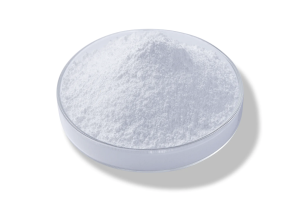
At JSJ Silica, we develop specialized silica materials for oral care applications. Our ORASIL®709 is designed specifically for physical blocking of dental tubules, making it suitable for manufacturers developing anti-sensitive toothpaste.
Its defining characteristic is an ultra-fine particle size of ≤4 microns. This specification supports its intended application in physical tubule occlusion, helping toothpaste formulations address dental sensitivity through a physical mechanism.
Unlike general-purpose abrasive materials, ORASIL®709 is recommended for a specific functional purpose: blocking exposed dentinal tubules. Its application gives manufacturers another ingredient option when designing toothpaste products that combine cleaning functions with sensitivity-focused benefits.
The selection of fine silica particles is particularly relevant to this application because particle dimensions influence how inorganic materials interact with microscopic dentin structures. Nevertheless, finished-product performance should be verified through suitable laboratory evaluations, including tubule occlusion and dentin permeability testing.
Formulation Recommendations and Ingredient Compatibility
According to our application recommendations, ORASIL®709 is used in anti-sensitive toothpaste at an addition level of 3%-5%, in combination with abrasive silica. This approach allows formulators to incorporate a functional tubule-blocking ingredient alongside materials responsible for cleaning and polishing.
During formulation development, manufacturers should consider the relationship between the occlusion ingredient and the abrasive system. Excessive abrasive action may affect deposited materials on dentin surfaces, while unsuitable ingredient combinations can influence dispersion and overall product consistency.
A carefully selected low abrasion silica grade can be considered for the abrasive component when developing gentler toothpaste formulations. However, the appropriate grade and concentration depend on the desired cleaning performance, complete formula composition, and finished-product testing results.
Manufacturers should also evaluate processing conditions, ingredient compatibility, storage stability, and sensory properties. These factors help ensure that the functional ingredient performs consistently throughout production and during the product’s intended shelf life.
Developing More Effective Sensitive Oral Care Products
The demand for specialized oral care products makes functional ingredient selection increasingly important for toothpaste manufacturers. Dentinal tubule occlusion provides a targeted formulation strategy, while controlled abrasivity helps address the need for comfortable everyday cleaning.
We support oral care manufacturers with silica solutions designed for different formulation requirements. With ORASIL®709, we provide an ultra-fine silica option for physical dental tubule blocking, featuring a particle size of ≤4 microns and a recommended addition level of 3%-5%.
By combining fine silica particles for functional occlusion with an appropriately selected low abrasion silica abrasive system, manufacturers can explore balanced formulations for sensitive teeth. At JSJ Silica, we continue to provide specialized material solutions that help our partners develop differentiated oral care products and respond to evolving market demands.