Tire manufacturers face supply-chain pressures that extend beyond securing sufficient raw materials. Consistent quality, predictable lead times, formulation compatibility, and changing performance requirements all influence production continuity. As tire compounds become more sophisticated, material suppliers must respond with more than standardized products. A responsive custom silica supplier can help manufacturers align filler characteristics with formulation targets while creating a more resilient sourcing strategy.

Why Supply Chain Stability Matters for Tire Silica
Raw-material consistency is particularly important when silica is used as a reinforcing filler. Changes in particle characteristics, dispersion behavior, or other material properties can affect mixing and the resulting compound. For manufacturers operating large-scale tire production, even small variations may require formulation adjustments or additional quality checks.
The role of silica in tires is also closely connected to performance targets. Precipitated silica can contribute to wear resistance, wet grip, and reduced rolling resistance when properly incorporated into tread compounds. These requirements create a need for materials that remain consistent from one production batch to another.
Moving Beyond Standardized Material Selection
A standard silica grade may be suitable for some applications, but tire formulations increasingly demand a more targeted approach. Different tread designs, mixing processes, polymer systems, and performance objectives can require different filler characteristics. A custom silica supplier therefore needs to understand the application instead of treating every tire compound as identical.
Our approach begins with the customer’s formulation and production requirements. We can develop tailored silica solutions according to specific application needs, supported by our R&D capabilities and manufacturing systems. This model allows material characteristics to be considered alongside the customer’s processing conditions and desired compound performance.
Supporting Modern Tire Performance Requirements
The growing use of silica in tires reflects the need to balance several tire properties simultaneously. Lower rolling resistance can support fuel efficiency or driving range, while wet grip remains important for braking and handling. At the same time, manufacturers must maintain adequate wear resistance and mechanical strength. These competing performance objectives are often described through the tire industry’s “Magic Triangle,” which represents the balance between rolling resistance, wet grip, and tread wear. Improving one property without compromising the others is a key challenge in modern tire compound development.
Our TIRESIL precipitated silica is designed around this performance balance. The material functions as a reinforcing filler for tire compounds, with high-dispersion grades intended to support tread formulations. In silica-reinforced rubber compounds, silane coupling agents play an important role in connecting silica surfaces with the rubber polymer matrix. Through silanization, the chemical interaction between silica and rubber can be improved, supporting better filler dispersion and reducing undesirable filler-filler interactions. By controlling silica characteristics, we help manufacturers address performance requirements without viewing rolling resistance, wet grip, and durability as completely separate objectives.
Designing Around Dispersion and Processing
Dispersion is a critical consideration when incorporating silica into rubber. Poorly dispersed filler can create localized variations within a compound, while effective dispersion supports more uniform material behavior. For manufacturers, the practical implications include mixing efficiency, processing consistency, and the ability to achieve the intended reinforcement.
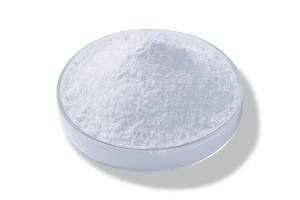
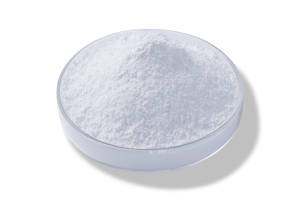
Our TIRESIL range includes high-dispersibility grades designed for tire applications. For example, TIRESIL 165MP belongs to the High Dispersion Silica (HDS) category and features a micro-pearl (granulated) form designed to support both material handling and rubber compounding operations. Its product information identifies applications including green tires and highlights wear resistance, skid resistance, rolling resistance, and mixing efficiency.
Compared with conventional fine silica powder, its granulated form can offer practical advantages in automated dosing systems, helping manufacturers achieve more consistent feeding while reducing dust generation during material transfer and handling. This can also support cleaner workshop environments and improve operational efficiency. During internal mixing, suitable high-dispersibility silica can facilitate filler incorporation and distribution, helping optimize mixing efficiency and potentially reduce mixing time and energy consumption, depending on compound formulation and process conditions.
Managing Supply Through Customization
Customization can also strengthen supply-chain planning. Instead of repeatedly modifying production around a fixed material, manufacturers can work with a custom silica supplier to establish a grade that fits their process. This can simplify qualification, improve formulation consistency, and create clearer specifications for ongoing procurement.
We support customized silica solutions based on customer requirements, including specific particle characteristics and application-related properties. Our service model includes sample support and long-term cooperation, allowing customers to evaluate materials before establishing an ongoing supply arrangement. Such collaboration can make raw-material sourcing more structured and predictable.
Building a More Responsive Supplier Relationship
Supplier responsiveness becomes increasingly important when tire manufacturers face changes in production volumes, product specifications, or market requirements. A supplier should be able to communicate material characteristics clearly, respond to technical questions, and coordinate samples or customized development efficiently.
Our broader silica portfolio covers multiple industrial applications, while our tire-focused TIRESIL products are developed specifically for rubber products. We combine production capabilities with R&D resources to support customers from material selection through application development. This gives procurement and technical teams a more direct route for addressing material-related challenges.
Strengthening Procurement for Future Tire Production
A resilient sourcing strategy requires more than maintaining inventory. It depends on consistent specifications, dependable communication, technical support, and materials that can accommodate evolving formulation requirements. For tire manufacturers, selecting a custom silica supplier with application-specific capabilities can therefore become part of broader supply-chain planning.
We provide TIRESIL precipitated silica for tire applications, including high-dispersion options for tread compounds. Our materials are developed with considerations such as dispersion, reinforcement, processing, wet grip, rolling resistance, and wear performance. Beyond material performance, sustainability is becoming an increasingly important factor in tire manufacturers’ supplier evaluations. ESG considerations, carbon footprint management, energy-efficient production processes, and responsible resource utilization are gaining attention as part of sustainable sourcing strategies. Manufacturing improvements such as energy-efficient drying technologies, optimized production processes, and the adoption of renewable energy can help reduce the environmental impact of silica production.
Tire manufacturers can also evaluate suppliers based on environmental data, emissions management, and alignment with their corporate sustainability targets. By combining customized material solutions with ongoing technical support, and recognizing the growing importance of low-carbon supply chains, we help customers establish a more dependable foundation for modern tire production.
Creating a More Dependable Material Supply Strategy
Supply-chain resilience increasingly depends on how well raw materials fit the production process. For tire manufacturers, silica selection should account for both immediate compound performance and long-term consistency. A material that disperses effectively, meets formulation requirements, and can be supplied with stable specifications provides value beyond its role as a simple filler.
As a custom silica supplier, we at JSJ Silica work with customers to develop tailored solutions for their specific requirements. Our TIRESIL products support the evolving demands of modern tread compounds, while our customization capabilities provide a practical path toward more consistent sourcing. With material performance and supply considerations addressed together, manufacturers can better manage production demands while preparing for future tire technologies.