Toothpaste performance depends on more than cleaning power. For formulators and procurement teams, abrasive selection must balance stain removal, surface compatibility, texture, viscosity, and manufacturing consistency. Because abrasivity can affect exposed dentin and enamel, testing should be structured around recognized methods rather than a single numerical claim. Understanding toothpaste abrasive ratings helps business teams compare formulations, qualify raw materials, and support responsible product development.
Why Abrasivity Requires Controlled Testing
Abrasives are functional ingredients in toothpaste, helping remove deposits and surface stains through brushing. Silica is among the abrasive materials used in dentifrices, alongside calcium carbonate and other mineral systems. The Relative Dentin Abrasivity (RDA) is a standardized scale comparing dentifrice abrasivity with a reference abrasive assigned a value of 100.
For manufacturers, the important point is that an RDA value is not a simple “higher is better” performance score. The ADA states that dentifrices at or below 250 RDA are considered safe and effective, while values below 250 should not be used to quantitatively rank toothpaste safety. Therefore, abrasive selection should be assessed alongside intended use, brushing conditions, formulation, and relevant test evidence.
Building a Reliable Abrasivity Test Protocol
A practical protocol begins with representative finished toothpaste samples, controlled preparation, and documented test conditions. Laboratories should maintain consistent sample handling, brushing parameters, reference materials, and measurement procedures so that results can be compared between batches or formulations. This is especially important when changing the abrasive grade, particle distribution, or concentration.
The current ISO 11609:2026 standard provides requirements and suitable test methods for dentifrices, including dedicated methods for dentine and enamel abrasivity. Its abrasivity section and test-method clauses provide a framework for evaluating toothpaste rather than relying solely on raw-material specifications. Using a recognized protocol also creates clearer technical documentation for internal quality review and customer qualification.
Dentine and Enamel Should Be Considered Separately
Dentine and enamel have different hardness and abrasion characteristics, so toothpaste abrasivity and cleaning performance should be evaluated using appropriate indicators. Two important measurements are Relative Dentin Abrasivity (RDA) and Pellicle Cleaning Ratio (PCR). RDA evaluates the relative abrasive effect of a toothpaste on dentine, helping manufacturers understand its potential to contribute to dentin wear during brushing. PCR, by comparison, measures the toothpaste’s ability to remove surface stains from teeth, providing an indication of its cleaning effectiveness.
For manufacturers, balancing these two indicators helps guide abrasive selection and toothpaste formulation, supporting effective cleaning while considering dentin wear. It is important to note that RDA and PCR are test-specific values rather than interchangeable measurements. They should be interpreted according to the relevant test methods and reference materials, rather than used as standalone indicators of overall toothpaste quality.
Controlling Abrasive Silica Characteristics
The performance of abrasive silica depends on more than its chemical identity. Particle-size distribution, whiteness, morphology, loading level, and interaction with other ingredients can influence the finished paste’s cleaning behavior and sensory properties. For business buyers, supplier documentation should therefore be connected to finished-product testing rather than used as a substitute for it.
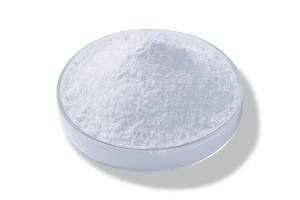
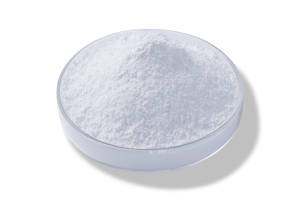
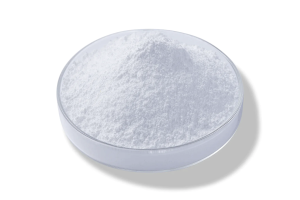
ORASIL® 114 features high whiteness, a uniform particle-size distribution, and reported fluoride compatibility of ≥90%. It also offers compatibility with other toothpaste ingredients, including flavoring components. The test method and acceptance criteria for the fluoride-compatibility value should be confirmed in the product’s technical documentation.
Linking Raw-Material Qualification to Finished-Product Testing
Raw-material qualification should cover identity, consistency, particle characteristics, and relevant compatibility before an abrasive enters routine production. Once incorporated into toothpaste, the complete formula should be tested because humectants, binders, surfactants, flavors, fluoride sources, and other components can alter the finished system.
Our ORASIL® 114 is also designed to provide medium-high viscosity, increase the water content of the formula, and reduce formulation cost. These properties are relevant to commercial development because abrasive choice can influence both performance and processing economics. Nevertheless, the final toothpaste—not the raw material alone—should remain the basis for finished-product safety and performance assessment.
Documenting Results for Business Quality Decisions
A strong testing report should identify the toothpaste formulation, abrasive grade, batch information, test method, reference material, laboratory conditions, and measured results. Any changes in raw-material supplier, particle distribution, concentration, or processing conditions should trigger a review of comparability. This approach gives quality and procurement teams a clearer basis for approving materials and managing future formulation changes.
The ADA Seal program illustrates the importance of documented evidence. For fluoride-containing dentifrices, ADA requirements call for test reports covering areas including fluoride, heavy metals, pH, microbiology, abrasivity, stability, and readily fermentable carbohydrates. Such requirements demonstrate why toothpaste abrasive ratings should sit within a wider quality and safety framework rather than being considered in isolation.
A Practical Path from Testing to Formulation
For toothpaste manufacturers, the safest development strategy is to connect three levels of evaluation: raw-material characterization, finished-formula abrasivity testing, and broader product safety and performance review. This layered approach supports more reliable comparisons and helps prevent a promising laboratory ingredient from being judged solely by one specification.
As a supplier focused on silica materials, we at JSJ Silica support formulation decisions with ORASIL® 114’s defined performance profile: high whiteness, uniform particle-size distribution, ≥90% fluorine compatibility, medium abrasive cleaning ability, high transparency, and medium-high viscosity. By combining controlled testing with clearly documented material characteristics, business teams can make more informed choices about abrasive silica and develop toothpaste with a better balance of cleaning, formulation, and quality requirements.